Autumn Embroidery Design: A Business Review
As a professional embroidery designer who has spent years translating digital files into tangible brand assets, I approach every new machine embroidery design with a critical eye. My focus is never just on aesthetics; it is on functionality, durability, and how the final stitch out elevates a small business's market presence. When I first encountered the Autumn Embroidery Design, my immediate goal was to determine if this unique and modern file could withstand the rigors of commercial use or if it belonged solely in the realm of home decor. The promise of a quick, smooth, and perfect stitch out is compelling for any production schedule, but does the execution match the marketing?
First Impressions: Visual Personality and Brand Fit
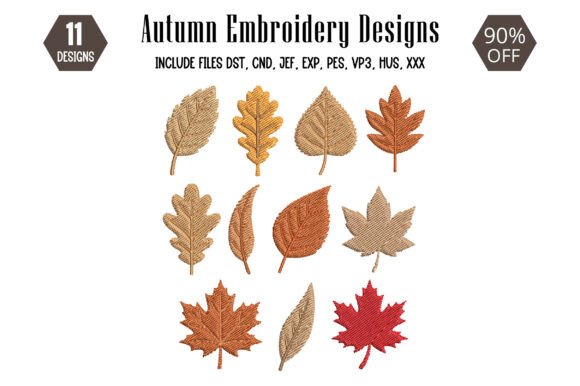
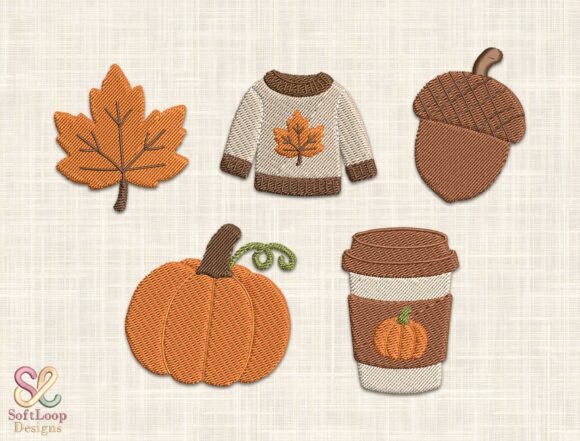
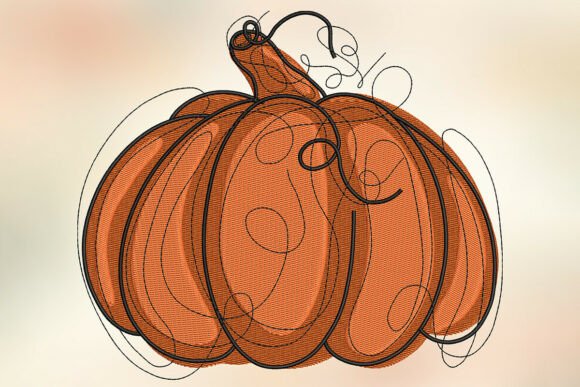
The initial visual assessment of the Autumn Embroidery Design suggests a balance between rustic charm and modern precision. For small business owners, particularly those in the café, bakery, florist, or boutique sectors, the design offers a warm, inviting aesthetic that resonates well during the fall season. It feels less like a generic clip-art image and more like a crafted element suitable for handmade product labels or boutique merchandise. The manual drafting mentioned in the description often translates to cleaner lines and better flow in the digitization process, which is crucial for maintaining brand identity.
When evaluating a design for branded merchandise, I look for versatility. Does it look premium on a high-end tote bag? Is it friendly enough for a staff apron? The Autumn Embroidery Design appears to strike this chord effectively. Its modern interpretation of seasonal motifs allows it to integrate seamlessly into a brand's existing visual language without looking dated. This adaptability is essential for businesses that want to release limited edition seasonal collections while maintaining a consistent, professional image.
Performance in Real-World Commercial Applications
The true test of any digital embroidery file lies in its application across various substrates. In my review, I considered how this design performs when moved from the screen to the needle. For embroidered patches, the design's structure seems robust enough to handle the dense stitching required for a clean edge. Patches are a staple for custom apparel, and a design that stitches out smoothly ensures that the finished product looks crisp, even after repeated washing.
Consider the use case for a local coffee shop launching a fall line. Applying the Autumn Embroidery Design to barista aprons creates an instant connection with customers, signaling attention to detail and seasonal relevance. Similarly, for a creative studio, using this design as a chest logo accent on work shirts can unify the team's appearance. The description highlights a "perfect stitch out," which implies that the runtimes are efficient—a critical factor for decorators managing tight deadlines for event merch or holiday gift orders.
For Etsy sellers and craft business owners, the ability to produce high-quality tote bag designs or cap embroidery is a revenue driver. This file appears suitable for these applications, offering a level of detail that adds perceived value to the finished product. Whether used as a subtle sleeve detail on a flannel shirt or a bold statement on a canvas bag, the design holds its ground. It transforms standard blank goods into branded assets that customers are proud to wear and display.
Critical Considerations for Production
While the potential is clear, experienced designers know that no file is universally perfect without proper setup. There are specific scenarios where the Autumn Embroidery Design requires careful handling. If you plan to use this for very small patch sizes, you must verify that the intricate details do not become muddled. High stitch density in small areas can lead to puckering, especially on thinner fabrics or curved surfaces like the front of a baseball cap.
Fabric texture also plays a significant role. On heavy denim or structured canvas, the design will likely pop beautifully. However, on textured knits or delicate silks, the stabilizer choice becomes paramount. You must ensure the backing supports the weight of the thread without distorting the fabric. Additionally, if your uniform base is dark, the contrast of the thread colors must be evaluated carefully. A design that relies on subtle shading might lose definition against a black background unless bright, contrasting threads are selected.
Another area of caution involves tiny lettering if the design includes text elements. In commercial embroidery, legibility is key. If the Autumn theme incorporates script or small fonts, they may need to be enlarged or simplified to ensure they remain readable on the finished product. Always check the spacing between elements to prevent thread pull or breakage during the stitch sequence.
Strategic Impact on Brand Identity
Integrating a well-executed machine embroidery design like this one goes beyond decoration; it builds trust. When a customer sees a high-quality embroidered patch or a perfectly stitched logo on a tote bag, their perception of the brand's professionalism increases. It signals that the business cares about quality and detail. For handmade brands, this tactile quality differentiates them from mass-market competitors who rely on screen printing.
Consistency is another vital component of brand identity. Using the same Autumn Embroidery Design across caps, aprons, and packaging accents creates a cohesive visual experience. This repetition reinforces brand recognition and makes the business memorable. Furthermore, the "handmade" feel of a manually drafted design aligns perfectly with the values of many artisanal shops, enhancing buyer engagement and fostering a sense of community around the brand.
Designer Notes for a Flawless Execution
To ensure the best results with this digital embroidery file, I recommend following a strict testing protocol before committing to a full production run. First, always test the design in black and white on a scrap piece of fabric. This helps you identify any issues with stitch direction, density, or underlay without wasting expensive thread. Check if the design maintains its integrity at the intended size, particularly for small patches or cap fronts.
Review the thread color palette against your specific brand guidelines. Ensure there is sufficient contrast for visibility. Inspect the spacing between satin stitches and fill areas to avoid thread bunching. Confirm that your hoop size accommodates the design dimensions without needing to re-hoop mid-stitch, which can cause registration errors. Most importantly, test on the actual fabric you intend to use, applying the appropriate stabilizer. A tear-away might suffice for a stable cotton, but a cut-away or wash-away mesh may be necessary for stretchy materials.
Create a printable mockup for client approval before starting the physical embroidery. This step saves time and resources by allowing stakeholders to visualize the final outcome. Compare the Autumn Embroidery Design beside other design assets in your library to ensure it fits the overall aesthetic. Finally, confirm the commercial licensing terms. As a business owner, you must ensure you have the right to use the file for unlimited production of merchandise, patches, and apparel. By adhering to these steps, you can leverage this unique and modern embroidery design to elevate your small business merch and deliver a flawless finished product.