Fruit and Vegetable Embroidery Design Review
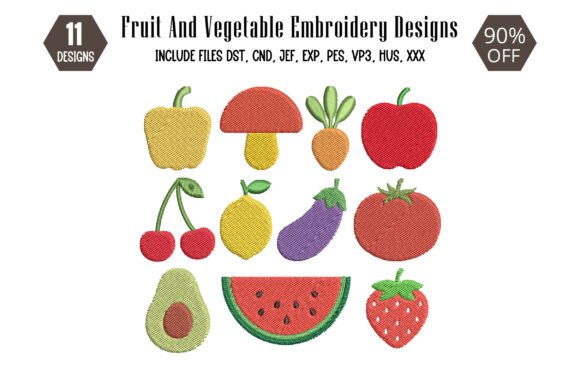
As a professional embroidery designer who has spent years setting up booths at weekend craft fairs and managing a handmade shop online, I know that the difference between a sale and a pass-by often comes down to visual impact. Today, I am reviewing the Fruit and Vegetable Embroidery Design bundle to see if it holds up under the bright lights of a market stall or the high-resolution scrutiny of an Etsy listing. With a collection of 11 cute fruit and vegetable motifs, this bundle promises a fresh and colorful touch, but does it translate into a profitable craft fair product? Let's dive into the practicalities of turning these digital files into sellable goods.
First Impressions: Aesthetic and Market Fit
When I first loaded the Fruit and Vegetable Embroidery Design onto my machine, the immediate impression was one of cheerful vibrancy. This is not a rustic, muted farmhouse collection; it is bold, modern, and undeniably cute. The designs lean heavily into a playful aesthetic that appeals to a wide demographic, from young parents looking for nursery decor to foodies wanting to liven up their kitchen linens. In a sea of neutral-toned bohemian goods, these bright colors act as a beacon. For a handmade product line, this bundle offers a distinct advantage: it stops the scroll on social media and draws the eye across a crowded craft fair table.
The variety within the bundle is excellent for creating a cohesive yet diverse collection. Whether you are aiming for a "farm-to-table" vibe or a whimsical garden theme, the machine embroidery design assets provide enough flexibility to match different brand identities. However, the success of these designs relies heavily on how they are applied. A tote bag design featuring a large, vibrant watermelon will look premium, while the same motif shrunk too small might lose its charm. Understanding the scale is crucial for any Etsy seller planning to use these digital embroidery file assets.
Product Performance Across Categories
To truly evaluate the Fruit and Vegetable Embroidery Design, we must test it on the products that actually move at markets. Here is how I see these designs performing on specific items:
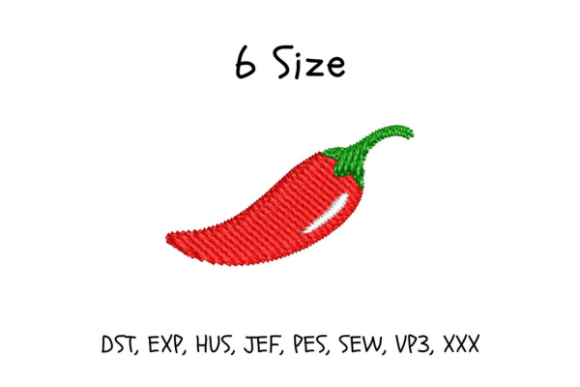
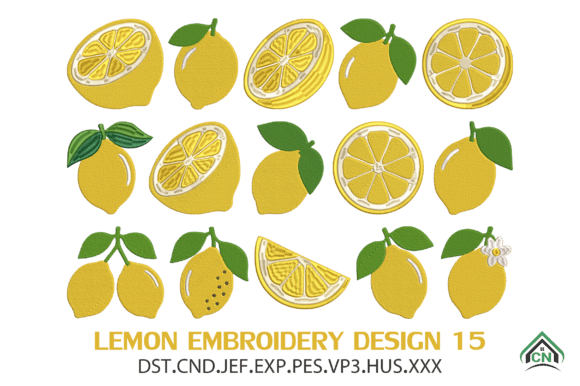
- Kitchen Linens: This is the natural home for this collection. Tea towel embroidery and apron embroidery featuring these motifs have high perceived value. Customers love buying functional items with personality. A set of towels with embroidered carrots, lemons, and peppers creates an instant "kitchen starter kit" appeal.
- Tote Bags and Market Bags: A large-scale tote bag design works exceptionally well here. The sturdy fabric provides a great canvas for the colorful thread work. These bags are lightweight to ship and easy to display in a booth, making them ideal for impulse buys.
- Patches and Caps: For smaller items, the embroidered patch format is a winner. You can create a set of patches that customers can iron onto denim jackets or backpacks. Similarly, placing a single fruit motif on a cap adds a trendy, streetwear edge that appeals to younger buyers.
- Home Decor: Pillow covers and small fabric pouches offer a softer application. The Fruit and Vegetable Embroidery Design adds texture to flat fabrics, elevating a simple cotton pillow into a statement piece.
Production Practicalities and Technical Considerations
While the designs are visually appealing, a professional designer knows that execution is everything. Before committing to batch production for a commercial embroidery business, you must consider the technical nuances of each file.
Stitch Density and Fabric Texture
Some of the more detailed fruits in the bundle may have higher stitch density. If you are embroidering on textured towels or thick canvas, dense areas can cause puckering or obscure the texture of the fabric. Always test the design on scrap fabric first. If the stitches are too tight, the finished product may feel stiff rather than soft and luxurious. For tea towel embroidery, ensure you use the right stabilizer to prevent the loops of the towel from catching the needle or distorting the image.
Scale and Clarity
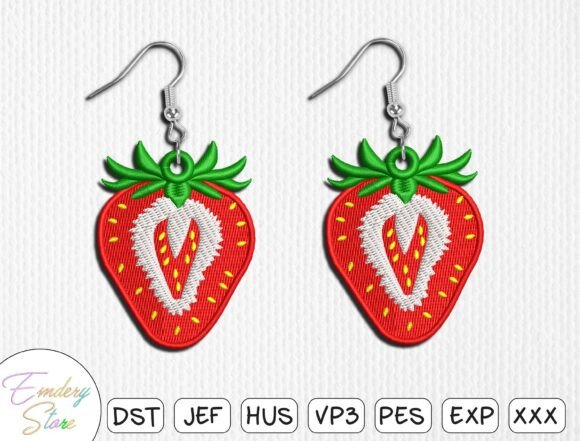
One of the biggest pitfalls with cute, detailed designs is shrinking them too much. Tiny details, such as the leaves on a strawberry or the segments of an orange, can become muddy blobs if the hoop size is reduced below a certain threshold. For a small shop product like a keychain or a small hair tie, verify that the embroidery file maintains clarity. If the details get lost, the product loses its premium feel. It is often better to use a simpler motif from the bundle for very small items or to keep the design larger on a focal point like a tote bag.
Thread Contrast and Color Selection
The description mentions "fresh and colorful," which implies the need for high-contrast thread colors. On dark fabrics, light-colored threads pop beautifully, but you may need to adjust the underlay to ensure coverage. Conversely, on white or cream backgrounds, the full spectrum of the design shines through. When preparing your printable mockup for online listings, ensure the colors you show accurately reflect the thread variances. Misleading photos are a fast track to bad reviews.
Strategic Selling Points for Craft Fair Success
For those of us selling at physical markets, the Fruit and Vegetable Embroidery Design offers several strategic advantages. First, the theme is universally understood. You do not need to explain what a lemon or a pepper is; the imagery speaks for itself. This reduces the friction in the sales process. Second, the "food" theme allows for seasonal pivoting. While vegetables are year-round, you can highlight specific fruits during harvest seasons or holidays, refreshing your booth display without needing new design assets.
Visual appeal drives engagement. A table display featuring a mix of finished product types—such as a stack of embroidered aprons next to a rack of colorful totes—creates a sense of abundance and quality. The bright colors of the embroidery catch the light and draw people in from a distance. Furthermore, offering a range of sizes, from small patches to large pillows, allows you to capture different price points, increasing your average transaction value.
Final Designer Notes and Checklist
Before you start mass-producing with this Fruit and Vegetable Embroidery Design bundle, follow this checklist to ensure quality and compliance:
- Test Run: Always stitch out every design on the exact fabric and stabilizer combination you plan to use. Check for skipped stitches or tension issues.
- Licensing Check: Confirm your commercial license terms. Ensure you are allowed to sell the finished goods and understand any restrictions on the number of units or types of products.
- Mockup Creation: Create at least one real physical mockup for photography. Real photos of the handmade product perform significantly better than digital renderings on platforms like Etsy.
- Color Consistency: Match your thread colors carefully to maintain brand consistency across all items in your booth.
- Size Verification: Double-check the dimensions of each design against your intended product to avoid scaling errors.
In conclusion, the Fruit and Vegetable Embroidery Design is a robust addition to any maker's toolkit. It balances cuteness with commercial viability, offering endless possibilities for Food themed Embroidery projects. By paying attention to stitch density, fabric choice, and presentation, you can turn these digital files into a standout collection that sells itself at the craft fair or dominates your online storefront.