Leaf Embroidery Design: A Professional Review
As an embroidery designer who has spent years translating digital files into tangible brand assets, I approach every new machine embroidery design with a critical eye. The market is flooded with generic patterns, but finding a piece that balances aesthetic grace with commercial durability is rare. Today, I am reviewing the Leaf Embroidery Design, a file categorized under Single Flowers and Embroidery, to determine its viability for small business merchandise, branded patches, and professional apparel decoration.
First Impressions: Elegance Meets Commercial Viability
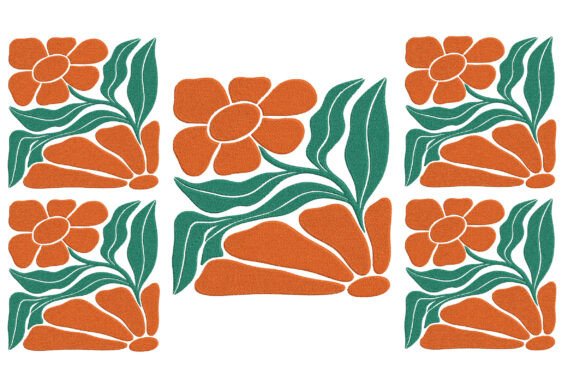
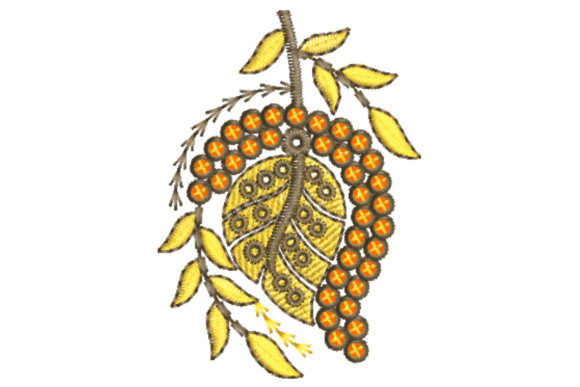
Upon opening the digital embroidery file, the first thing that strikes me is the composition. The description promises "graceful leaves arranged in a soft and balanced botanical composition," and the visual delivery matches this perfectly. The flowing lines and delicate curves immediately suggest a calm, refined look. This is not a chaotic or overly rustic pattern; it exudes a sense of premium quality. For a boutique florist, a high-end café, or a handmade skincare brand, this design offers an instant elevation in perceived value.
The visual personality of the Leaf Embroidery Design is versatile. It feels organic yet structured enough to function as a logo accent rather than just a decorative flourish. In the world of brand identity, where every stitch counts toward customer trust, a design that looks intentional and polished is essential. This file avoids the common pitfall of looking like a clip-art afterthought. Instead, it presents itself as a cohesive element that can anchor a brand's visual language across various mediums.
Performance in Real Business Applications
When evaluating a design for small business merch, I always ask: how does it translate from the screen to the fabric? The Leaf Embroidery Design performs exceptionally well in several key areas:
- Branded Patches: The balanced nature of the leaf arrangement makes it ideal for creating custom embroidered patches. Whether attached to denim jackets for a streetwear brand or sewn onto tote bags for a local eco-store, the design holds its shape beautifully. The curves are defined enough to prevent merging when backed by felt or twill.
- Staff Uniforms and Aprons: For a bakery or a creative studio, apron embroidery is a subtle way to build team cohesion. Placing this design on the chest pocket or the lower hem of an apron adds a touch of sophistication without overwhelming the wearer. It signals professionalism and attention to detail.
- Cap Embroidery: The flowing lines work well on curved surfaces like cap fronts. Because the design is not overly dense, it sits flat against the fabric, avoiding the puckering that often ruins expensive headwear. It serves as a perfect understated logo mark.
- Tote Bag Design: As tote bag design trends lean towards minimalist aesthetics, this botanical motif fits right in. It works as a central focal point or a repeating corner motif, adding a "handmade product" feel that customers love to support.
- Product Packaging Accents: Beyond apparel, consider using this as a label on gift boxes or a stitched tag on clothing. It reinforces the idea of natural ingredients or artisanal craftsmanship, directly influencing buyer engagement.
Critical Considerations for Production
While the Leaf Embroidery Design is visually stunning, a professional must know where to exercise caution. Not all designs work universally, and understanding the limitations ensures your finished product meets quality standards.
Size and Density Constraints
Delicate curves require space to breathe. If you attempt to shrink this design too much for a tiny patch or a button, the fine details may become indistinguishable. The stitch density is moderate, which is good for breathability, but reducing the size could cause thread overlap and loss of definition. Always test the design at your intended scale before committing to a full production run.
Fabric Texture and Color Contrast
The elegance of the flowing lines relies heavily on contrast. On dark uniforms or textured fabrics like heavy canvas, lighter thread colors will make the design pop. However, if you use a low-contrast color scheme on a busy background, the "soft and balanced" nature of the leaves might get lost. Additionally, highly textured fabrics can distort the smooth curves of the leaves, so selecting the right material is crucial.
Durability and Washing
For items that undergo frequent washing, such as staff shirts or reusable shopping bags, the integrity of the design matters. While the Leaf Embroidery Design appears robust, ensure that the backing and stabilizer used during production are appropriate for the fabric weight. A poor stabilizer choice can lead to fraying over time, damaging the brand's reputation.
Impact on Brand Identity and Customer Trust
In the competitive landscape of Etsy sellers and local merch creators, visual consistency is key. Using a high-quality embroidery file like this one helps establish a cohesive look across your design assets. When a customer sees the same graceful leaf motif on a cap, a tote bag, and a business card mockup, it builds recognition.
This design specifically enhances the perception of a brand that values nature, calmness, and refinement. It moves away from the loud, aggressive branding of fast fashion and aligns with the growing consumer demand for sustainable, thoughtful products. By incorporating the Leaf Embroidery Design, you are subtly communicating that your business cares about aesthetics and quality, which directly boosts customer trust and product value.
Practical Designer Notes for Implementation
Before integrating this design into your commercial workflow, follow these steps to ensure success:
- Test in Black and White: Before finalizing thread colors, run a monochrome test. This helps you see the structure and flow without the distraction of color, ensuring the silhouette is strong enough for your application.
- Verify Hoop Size: Confirm that the design fits within your machine's hoop size. If it requires a larger hoop than you have, you may need to split the design, which can compromise the seamless look of the leaves.
- Check Licensing: Always confirm commercial licensing before using any digital embroidery file for business. Ensure you have the rights to sell items featuring this design, whether they are physical goods or printable mockups.
- Create a Mockup: Generate a printable mockup to show clients or stakeholders how the design looks on actual products. This prevents costly mistakes and manages expectations regarding the final appearance.
- Inspect Spacing: Review the spacing between the leaves. If you plan to add text nearby, ensure there is enough room so the lettering doesn't clash with the organic curves.
- Test on Real Fabric: Never skip the physical test. Stitch a sample on the exact fabric you intend to use to check for puckering, tension issues, and color vibrancy.
The Leaf Embroidery Design is a powerful tool for any business looking to elevate their custom apparel and merchandise. Its elegant simplicity and balanced composition make it a standout choice for those seeking a refined, professional look. By following best practices in testing and application, you can turn this beautiful botanical motif into a cornerstone of your brand's visual identity.