Pink Tulip Flower Embroidery Design Review
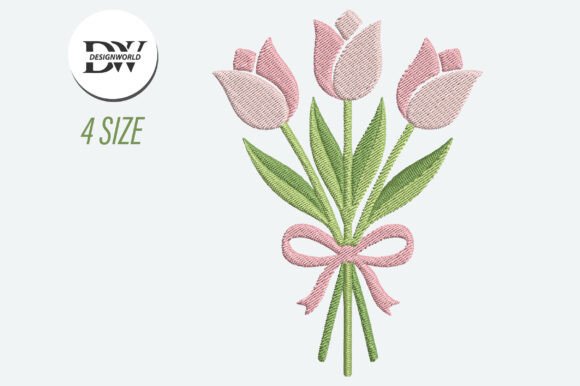
As a professional embroidery designer who has spent years translating digital files into tangible brand assets, I approach every new machine embroidery design with a critical eye. The market is flooded with decorative patterns, but for small business owners, merch creators, and apparel decorators, the question is never just "does it look pretty?" It is "will this elevate my brand identity and survive the rigors of commercial use?" Today, I am reviewing the Pink Tulip Flower Embroidery Design. This piece falls under the Bouquets category within the broader world of Embroidery, promising delicate pink tulip blooms with graceful botanical details. Let's break down whether this digital embroidery file is ready for your branded merchandise or if it needs careful handling before hitting the production floor.
First Impressions: Elegance Meets Commercial Viability
When I first loaded the preview of the Pink Tulip Flower Embroidery Design, the immediate visual impact was one of timeless floral elegance. The description promises delicate blooms, and the rendering suggests a soft, approachable aesthetic that leans heavily into a premium, handmade feel. For a boutique florist, a local bakery, or a creative studio, this design screams "crafted with care." It avoids the harsh, geometric lines often found in modern corporate logos, opting instead for organic curves that suggest growth and freshness.
However, from a business perspective, "delicate" can sometimes be a double-edged sword. While the design exudes a friendly and elegant vibe, we must ensure it does not appear too dainty for high-visibility applications like staff uniforms or large tote bags. The gracefulness of the botanical details is its strongest asset for building customer trust, signaling that the brand values quality and attention to detail. Yet, we need to verify that these fine lines translate well when stitched on textured fabrics or dark-colored garments where contrast is key.
Strategic Applications for Small Business Merchandise
The versatility of the Pink Tulip Flower Embroidery Design makes it an excellent candidate for various small business merch strategies. Here is how I envision integrating this embroidery file into a cohesive branding strategy:
- Branded Patches: This design is ideal for creating custom embroidered patches. A patch featuring the pink tulip can be sewn onto denim jackets, canvas tote bags, or backpacks sold as limited edition items. The floral motif adds a pop of color that stands out against neutral backgrounds.
- Staff Uniforms and Aprons: For a café or boutique, placing this design on the chest pocket of an apron or the sleeve of a work shirt creates a subtle yet consistent brand mark. It feels more personal than a block-letter logo, fostering a connection between the staff and the customer.
- Cap Embroidery: On structured caps, the Pink Tulip Flower Embroidery Design works beautifully as a front-center accent. However, because of the "graceful botanical details," the placement must be precise to avoid distortion on the curved surface of a hat.
- Tote Bag Design: As a tote bag design, this pattern serves as a statement piece. Imagine a sturdy cotton tote with a large-scale version of the tulip bloom; it becomes a walking billboard for your brand, perfect for farmers' markets or retail giveaways.
- Product Packaging Accents: Beyond apparel, consider using this as a label on fabric-based packaging or as a seal on gift boxes. It elevates the unboxing experience, making the finished product feel like a luxury item.
Critical Considerations for Production Success
While the potential is high, experienced designers know that beautiful designs can fail in production if technical constraints are ignored. Before you commit to a bulk run of custom apparel using the Pink Tulip Flower Embroidery Design, you must address several specific challenges.
Stitch Density and Detail Retention
The description highlights "delicate" and "graceful" details. In machine embroidery, delicate lines often require high stitch density to prevent gaps, but too much density can cause puckering, especially on lightweight fabrics. If the tulip petals have very thin outlines, they may disappear or merge on certain materials. I strongly advise testing the design on a scrap piece of your actual target fabric first. Check if the intricate botanical elements remain distinct or if they blur together.
Size Limitations and Scaling
This design should be used carefully regarding size. If you attempt to shrink the Pink Tulip Flower Embroidery Design for a tiny cap front or a small wristband patch, the delicate details will likely get lost. There is a minimum size threshold below which the "timeless elegance" turns into a muddy blob. Always review the design at 100% scale relative to your intended application. If you need it smaller, consider simplifying the outline or removing some of the finer botanical leaves to maintain clarity.
Fabric Texture and Color Contrast
The success of this design relies heavily on thread colors and fabric texture. A light pink thread on a dark navy uniform might lack the necessary visibility unless outlined strategically. Conversely, on a textured fabric like heavy twill or fleece, the fine lines of the tulip might sink into the weave, reducing legibility. Always match your stabilizer choice to the fabric weight; a heavy-duty cutaway stabilizer is often necessary for dark, stretchy, or textured materials to support the floral structure without distortion.
Impact on Brand Identity and Customer Perception
In the competitive landscape of handmade brands and Etsy sellers, your visual assets are your silent salespeople. The Pink Tulip Flower Embroidery Design contributes significantly to brand identity by projecting warmth, femininity, and sophistication. Unlike generic clip art, a well-executed floral embroidery signals that you invest in quality. This builds customer trust and increases the perceived value of your products.
When a customer receives a tote bag or apron featuring this design, they aren't just getting a functional item; they are receiving a piece of art. This enhances buyer engagement and encourages social sharing. However, consistency is paramount. Ensure that the Pink Tulip Flower Embroidery Design aligns with your other design assets. If your main logo is bold and industrial, a delicate pink tulip might create visual dissonance unless used as a secondary accent rather than a primary logo.
Practical Designer Notes for Implementation
To ensure your project succeeds, follow these steps before mass production:
- Test in Black and White: First, run a test stitch using a single contrasting thread color (like black on white) to check the structural integrity of the design without worrying about color blending.
- Verify Hoop Size: Confirm that the design fits comfortably within your machine's hoop without crowding. Overfilling the hoop can lead to uneven tension and distorted petals.
- Create a Printable Mockup: Generate a printable mockup showing the design on your specific products (caps, shirts, bags) to present to clients or stakeholders for approval before cutting any fabric.
- Check Licensing: Always confirm the commercial licensing terms of the digital embroidery file. Ensure you have the right to use it for unlimited production runs, especially if selling the final embroidered goods.
- Inspect Spacing: If combining the tulip with text, leave adequate spacing. Floral designs breathe better when not cramped by lettering.
Ultimately, the Pink Tulip Flower Embroidery Design offers a sophisticated solution for businesses looking to add a touch of nature-inspired charm to their merchandise. By respecting its technical requirements and applying it strategically, you can transform simple fabric into a powerful brand statement that resonates with customers and stands the test of time.